
5 easy Product Photography Lighting Tips from a Chicago Product Photographer
As a product photographer, one thing I can confidently say:
Great product photography isn’t about the camera. It’s about the light.
Lighting defines texture, controls reflections, shapes dimension, and ultimately determines whether a product looks premium or average. In commercial product photography, especially here in Chicago where brands range from CPG startups to established beverage companies, lighting precision makes all the difference.
Here are practical lighting tips I use in my Chicago studio for clean, commercial-ready results.
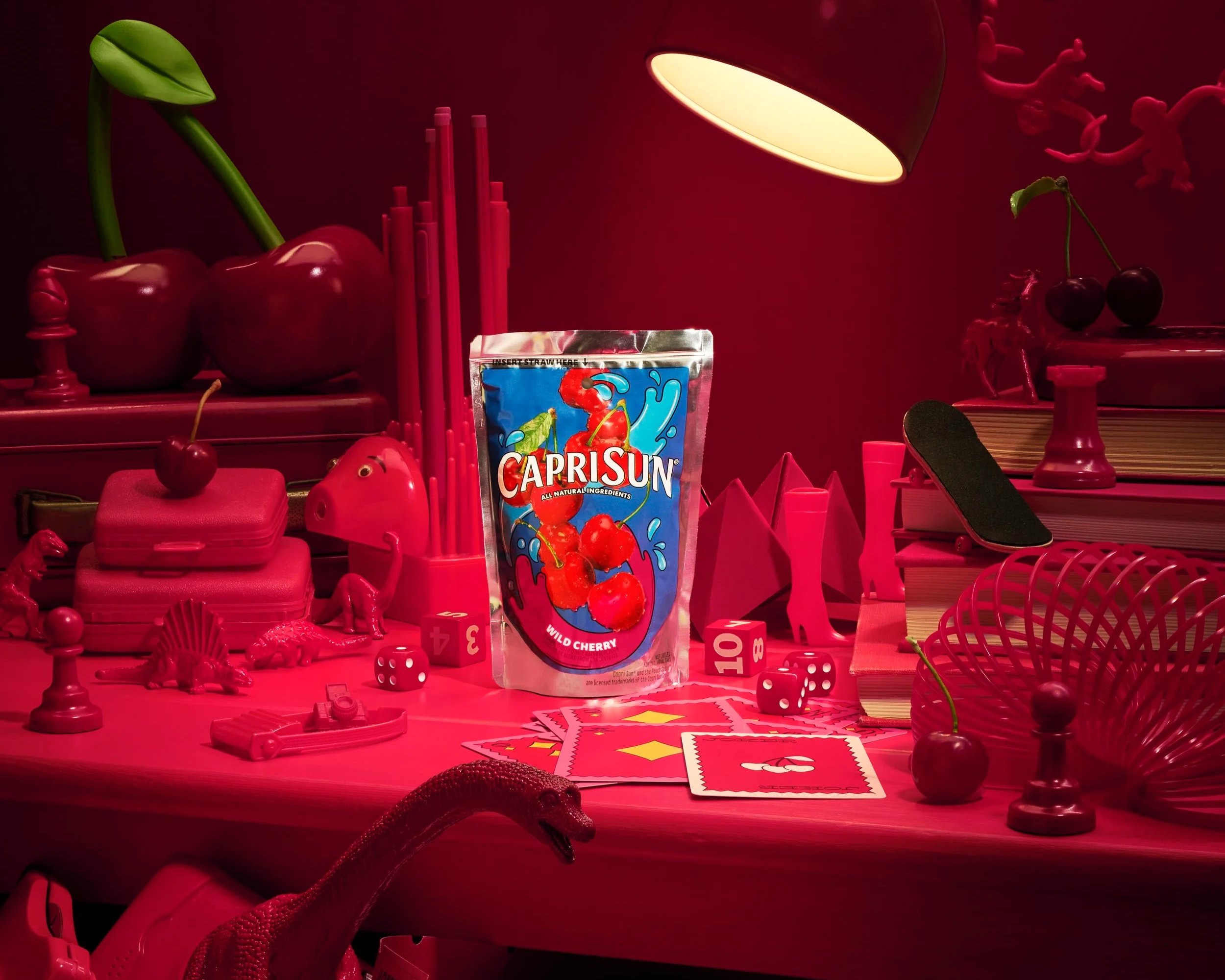
In professional product photography, control is everything. Photo shot for commercial client, Capri Sun.
Shape the light, don’t just add more!
Using flags, grids, diffusion, and negative fill allows you to:
Sculpt highlights
Protect shadows
aDefine edges
Maintain label clarity
A simple softbox gives exposure.
Shaped light gives dimension.
That’s what separates amateur work from professional Chicago commercial product photography.
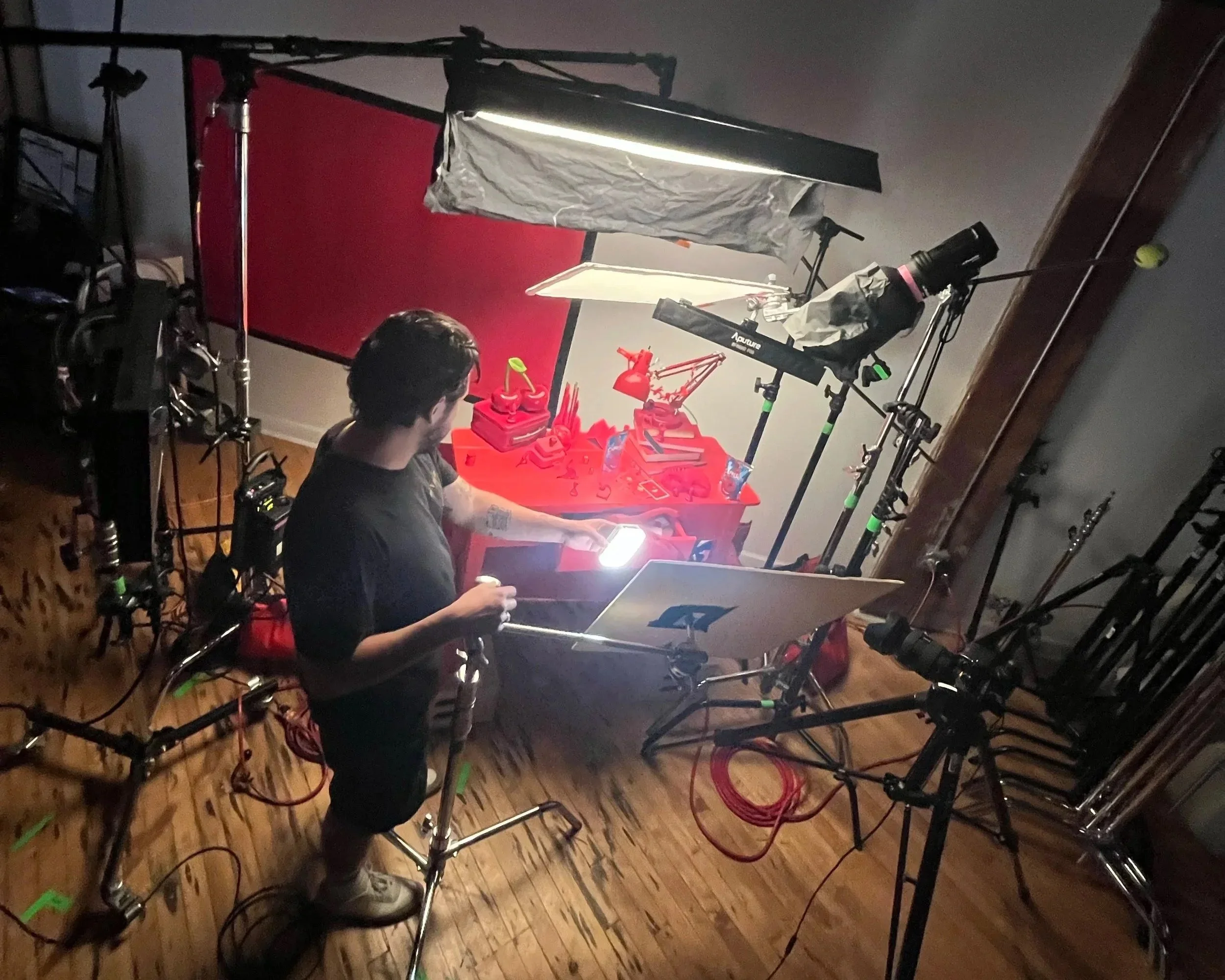
2. Light for Texture, Not Just Brightness
Texture sells product.
If you’re shooting:
A cold beverage → emphasize condensation
A matte label → control glare
A metallic can → shape clean highlights
Food packaging → define surface depth
Side lighting or slightly backlit setups often reveal more texture than flat front lighting.
Ask yourself:
Where should the light fall to make this feel tactile?
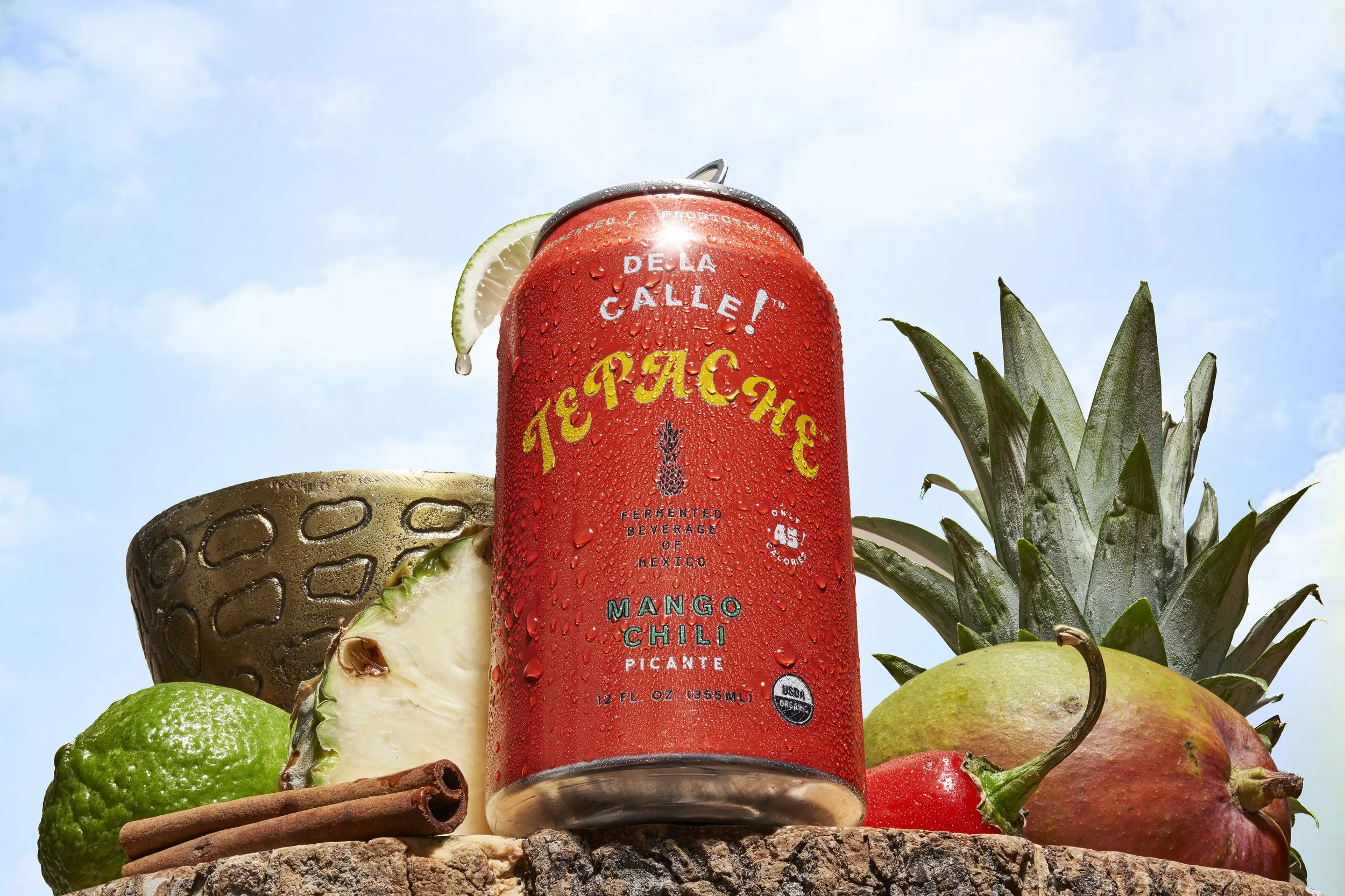
Flavor cues should always look fresh and not overly stylized. We want food to feel natural, it should be simple, straightforward with all of the ingredients and textures visible.
4. Recreate Natural Light in Studio using flash
Natural light looks great — until it shifts.
In commercial production, consistency matters.
Using shaped flash lighting allows you to:
Mimic window light
Control direction and softness
Repeat setups across shoot days
Stay on schedule
The goal isn’t to look “lit.”
The goal is to look effortless. Using a flash head, turn the model light on and imagine for a moment it is the sun. Where does sunlight look its best? Straight overhead? Backlit? Side lit? Experiment with the light until you find the right direction, then you can dial in exposure once you’re happy with the direction.
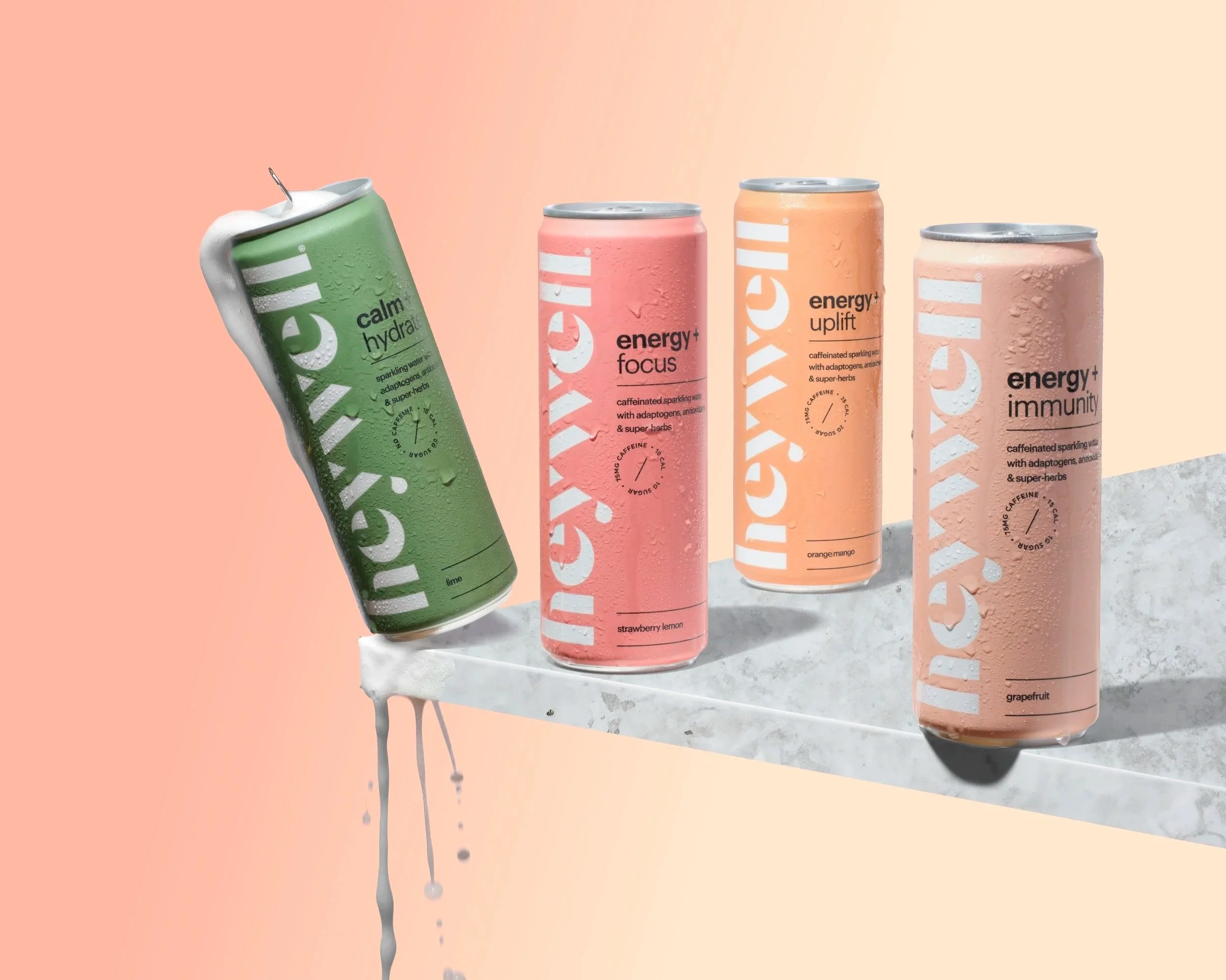
Playful product shot for hey well caffeinated sparkling adaptogen beverage.
Use a tripod and Capture Elements Separately for Flexibility in Retouching.
In commercial product photography, flexibility in post-production is key.
Consider shooting:a
Clean hero product
Separate splash or drip elements
Condensation layers
Background plates
This gives you:
More retouching control
Cleaner composites
Greater creative flexibility
Believability comes from real interaction, even if final assembly happens in post. Retouching is so important when it comes to building an image.
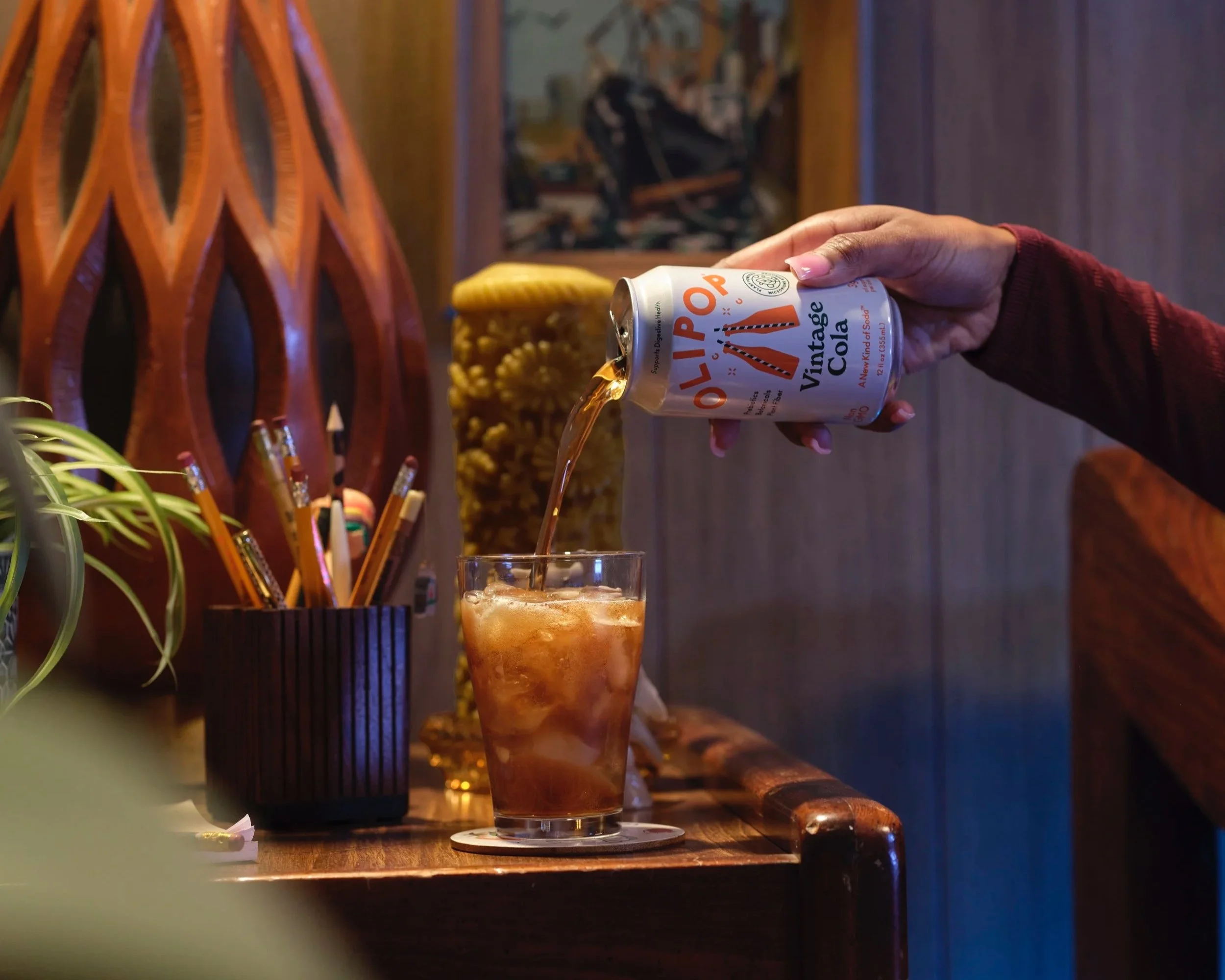
Adding in the human element to a product shot lets the viewer put themselves in the environment.
Final Thoughts
Strong product photography lighting isn’t about tricks.
It’s about intention.
When light is shaped, controlled, and aligned with the brand story, the product feels elevated — not just documented.
Because in commercial photography, light isn’t decoration.
It’s structure.
If you have questions about product photography or are running into problems, please feel free to reach out here!

About Ryan
Food photography isn’t just captured, it’s felt. In a world where visuals are everywhere, reliability isn’t about style, it’s about intention, consistency and understanding.
I grew up in kitchens, watching a chef work and learning how passion directly translates to the plate.
That foundation shapes how I approach commercial photography and motion for food and beverage brands.