
How to Improve Product Photography | Insights from a Chicago Product Photographer
When Product Photography Becomes World-Building
Product photography doesn’t have to be literal. A can or bottle on white is my go to starting point because it’s clean, controlled and functional. There is nothing wrong with that, but sometimes the goal isn’t just clarity, its building atmosphere.
In commercial product photography, when lighting, styling, set design, and concept are aligned, you can create something that feels otherworldly, yet completely believable and natural. That’s where the real magic happens.
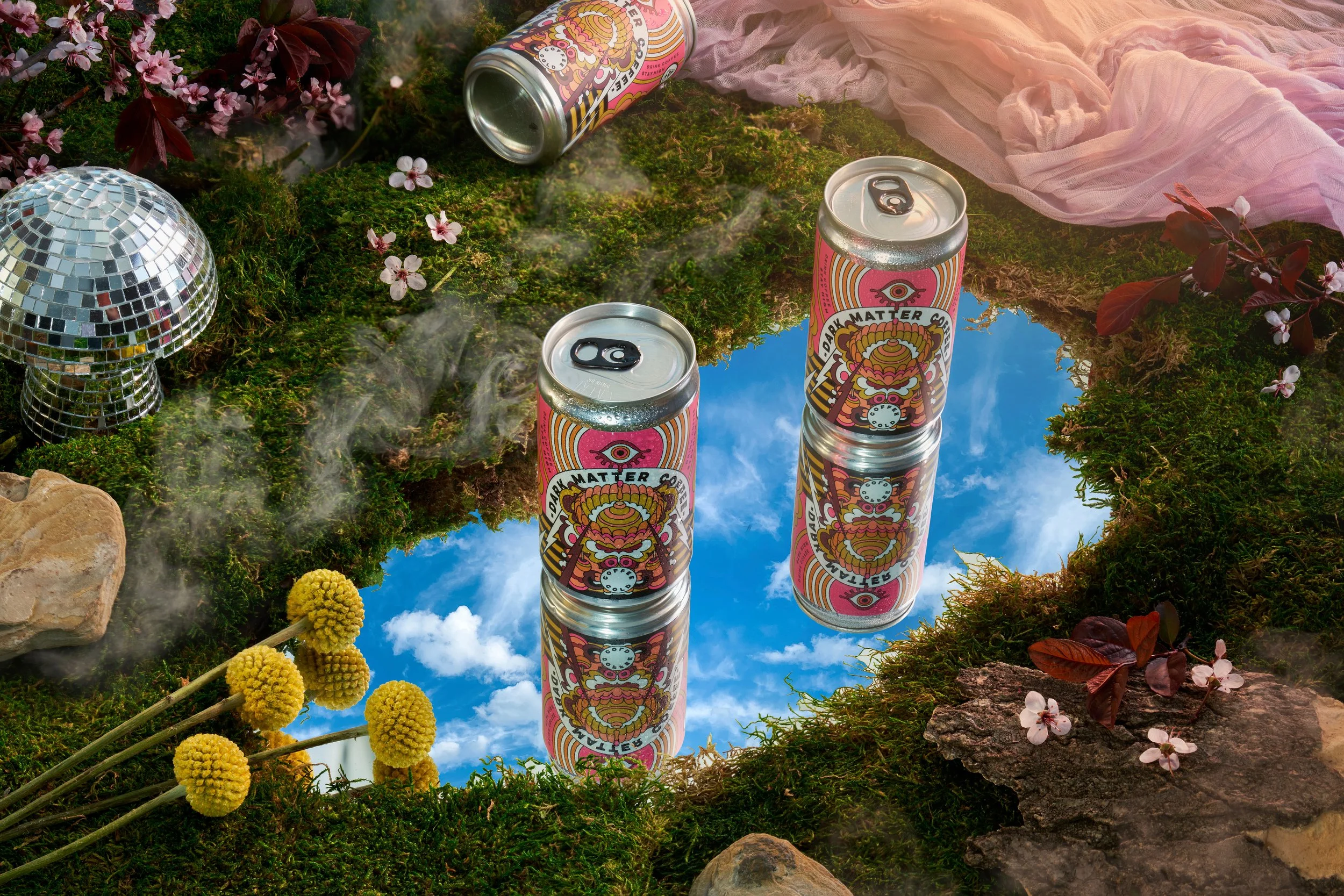
Using the natural elements like moss, flowers and leaves starts to create a world.
Building a World Around the Product
In this image, the product isn’t just placed into a scene, the scene was built around it. It started with collaborating with my food/prop stylist Bianca Swanepoel. Bianca wanted to build this natural world and what could be more otherworldly than Dark Matter Coffee. Dark Matter Coffee works with a Mexico-based artist Raul Urias “creates the intricate, psychedelic illustrations for Dark Matter Coffee's cans and packaging. Working with Zimmer Design, his artwork often incorporates themes of futurism, experimental jazz, and Mexican culture.”
Every element was intentional. Creative product photography is less about props and more about cohesion. If one piece feels disconnected, the illusion breaks. When it’s dialed in, the product stops sitting in a frame. It lives in a world.
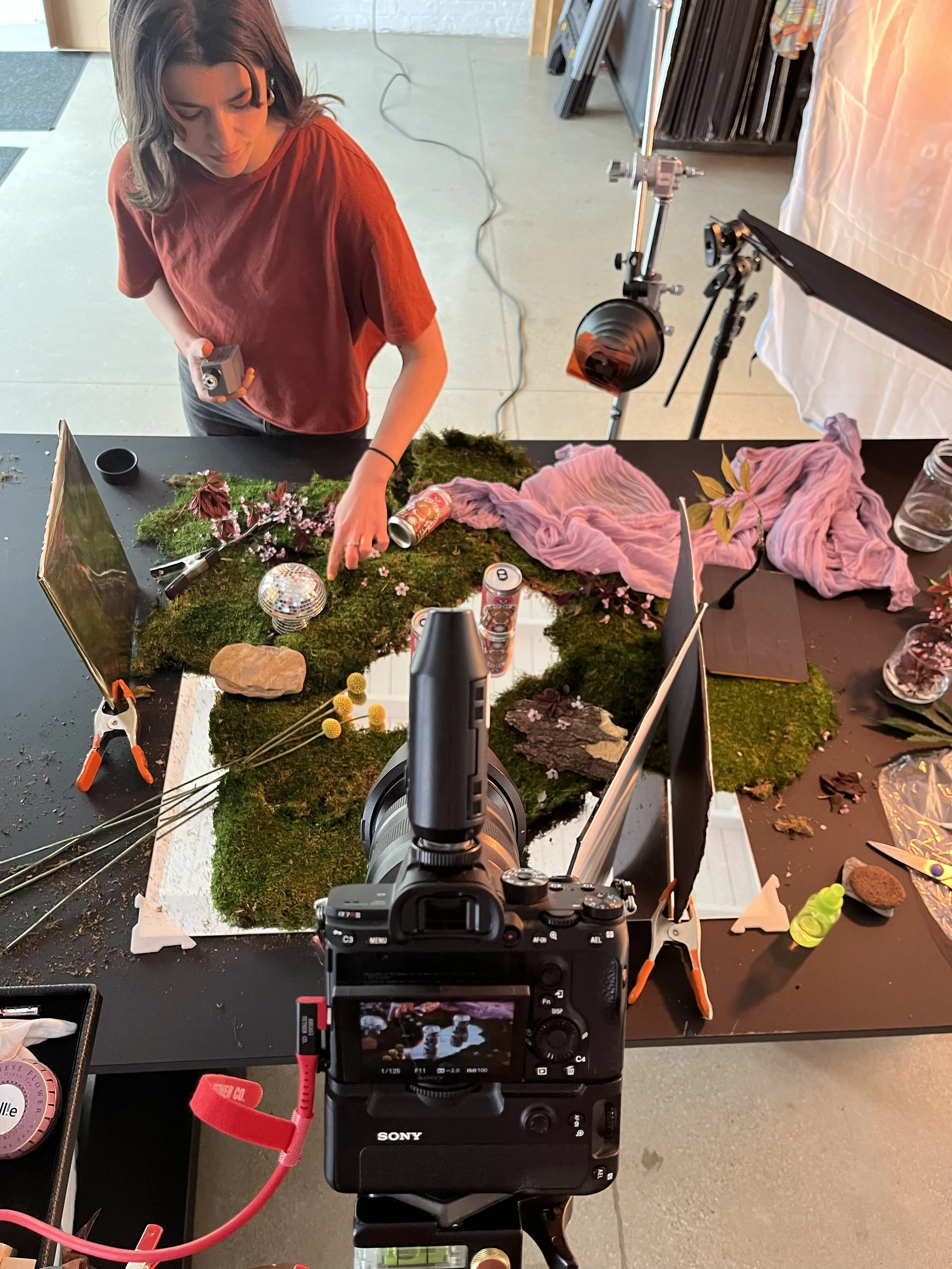
Lighting Makes It Believable
You can build the most beautiful set in the world, but without the right lighting, it falls flat. In studio product photography, lighting is what turns concept into reality. Spend the extra time to find the light direction early, it makes the difference to your entire scene. Directional light mimics natural atmosphere and this shot I used a bare bulb profoto head for my key light behind a half stop silk by Westcott. The silk helps to soften the light, but doesn’t kill your direction. To add in some warmth without overwhelming the scene, I used a profoto snoot with a full stop CTO or warming gel. The snoot allows you to narrow down the amount of light to a small area.
The goal of my photography isn’t to feel lit, it’s to feel immersive. When lighting and styling support each other, the image becomes dimensional.
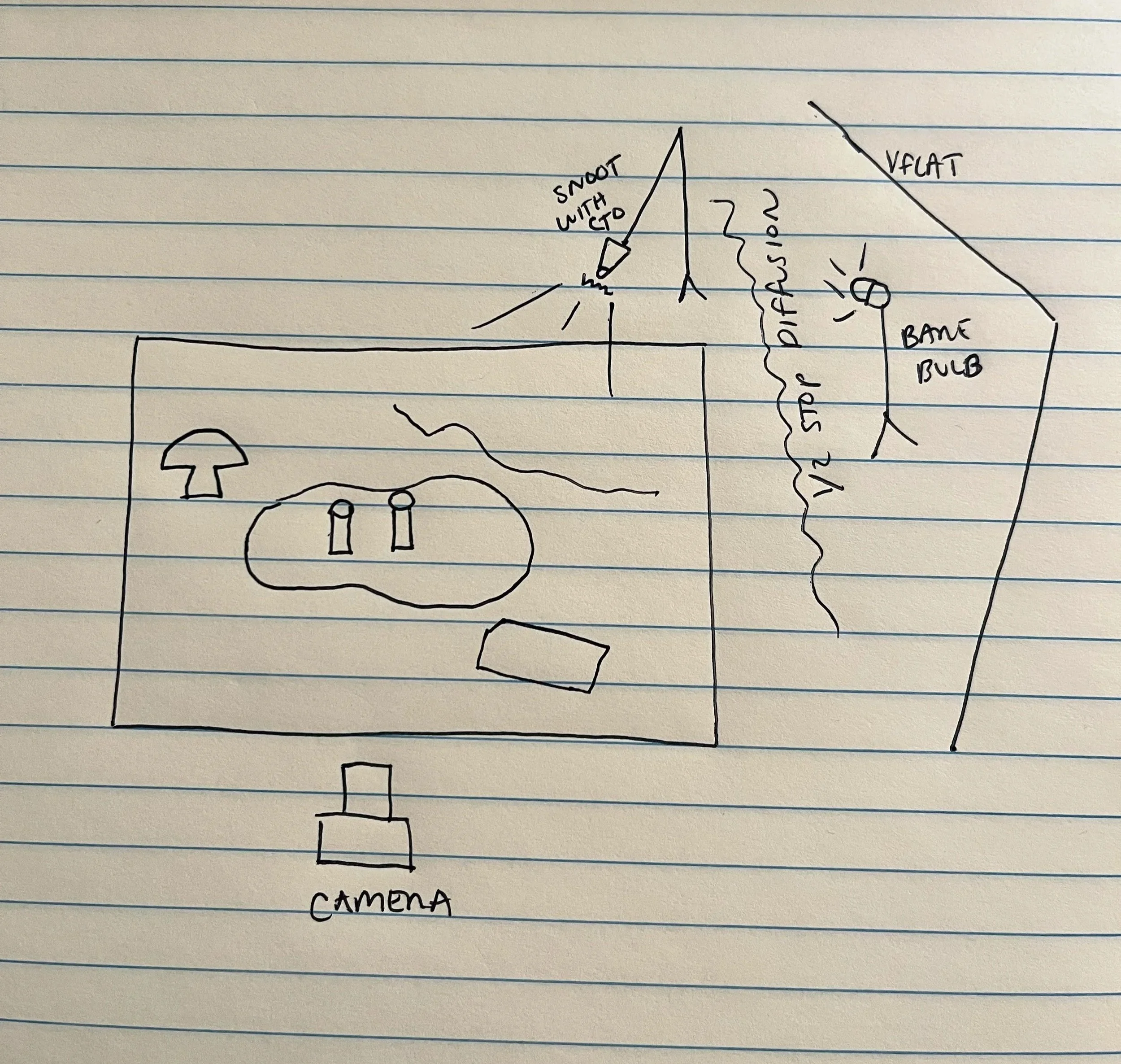
A great practice every photographer should be doing is creating a lighting diagram.
Beyond the shot, set documentation
Commercial product photography serves a purpose, e-commerce, social media, paid ads, packaging. But brands don’t just compete on clarity. They compete on feeling. Creative beverage product photography, especially, benefits from environments that amplify brand personality. After you’re done shooting, don’t just tear down your set, spend the time documenting it. Write down power settings on your strobes, height of the lights, distance from the set, height other than camera etc. Let’s say you land a job with a product client 6 months after the this shot. Do you remember your lighting? Chances are you don’t, which makes set docs even more important. This is what separates the amateurs from the pro’s. Pro’s are hired for their creative, yes, but consistency is expected across multiple shots.
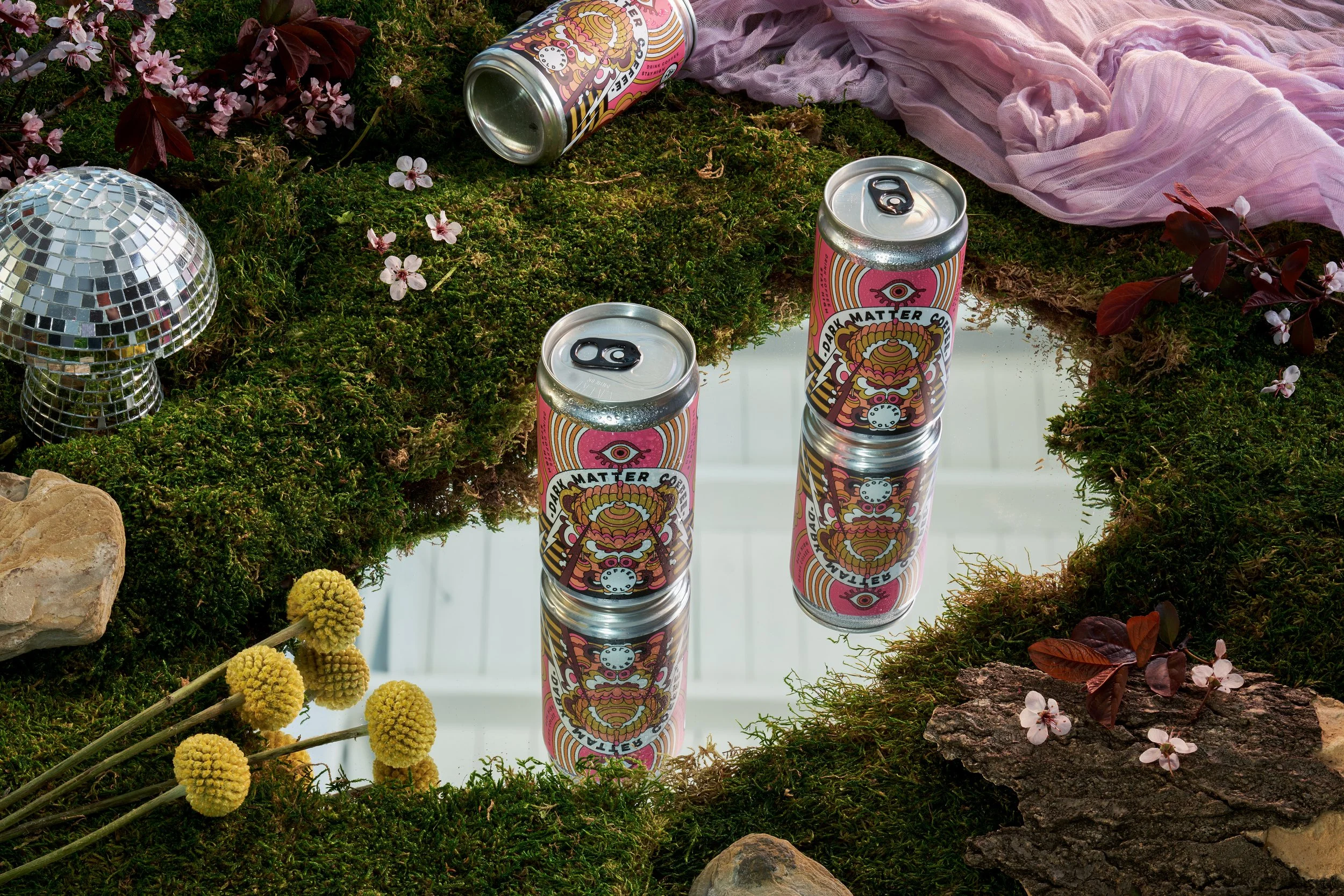
Here is the raw, un-retouched image. Capture as much as you can in camera so you can spend the time elevating the image, not adjusting exposure.
The Edit
If you’re investing in studio product photography, think beyond the surface. Retouching is vital to just about every product shot. Capture as much as you can in camera, before bringing it into photoshop. If you’re not familiar with the term, it means that lighting and composition should all be dialed in. You should not be spending hours adjusting your exposure and color is post. Get it right now. Post is for fine tuning, compositing, elevating.
If you have questions about product photography or are running into problems, please feel free to reach out here!

About Ryan
Food photography isn’t just captured, it’s felt. In a world where visuals are everywhere, reliability isn’t about style, it’s about intention, consistency and understanding.
I grew up in kitchens, watching a chef work and learning how passion directly translates to the plate.
That foundation shapes how I approach commercial photography and motion for food and beverage brands.