
How to Choose the Right Food Photographer for Your Brand?
Choosing the right food photographer isn’t just about finding someone who takes beautiful pictures.
It’s about finding a creative partner who understands how food photography supports your brand, your marketing goals, and your production realities.
If you're investing in professional food photography, here’s what to look for.
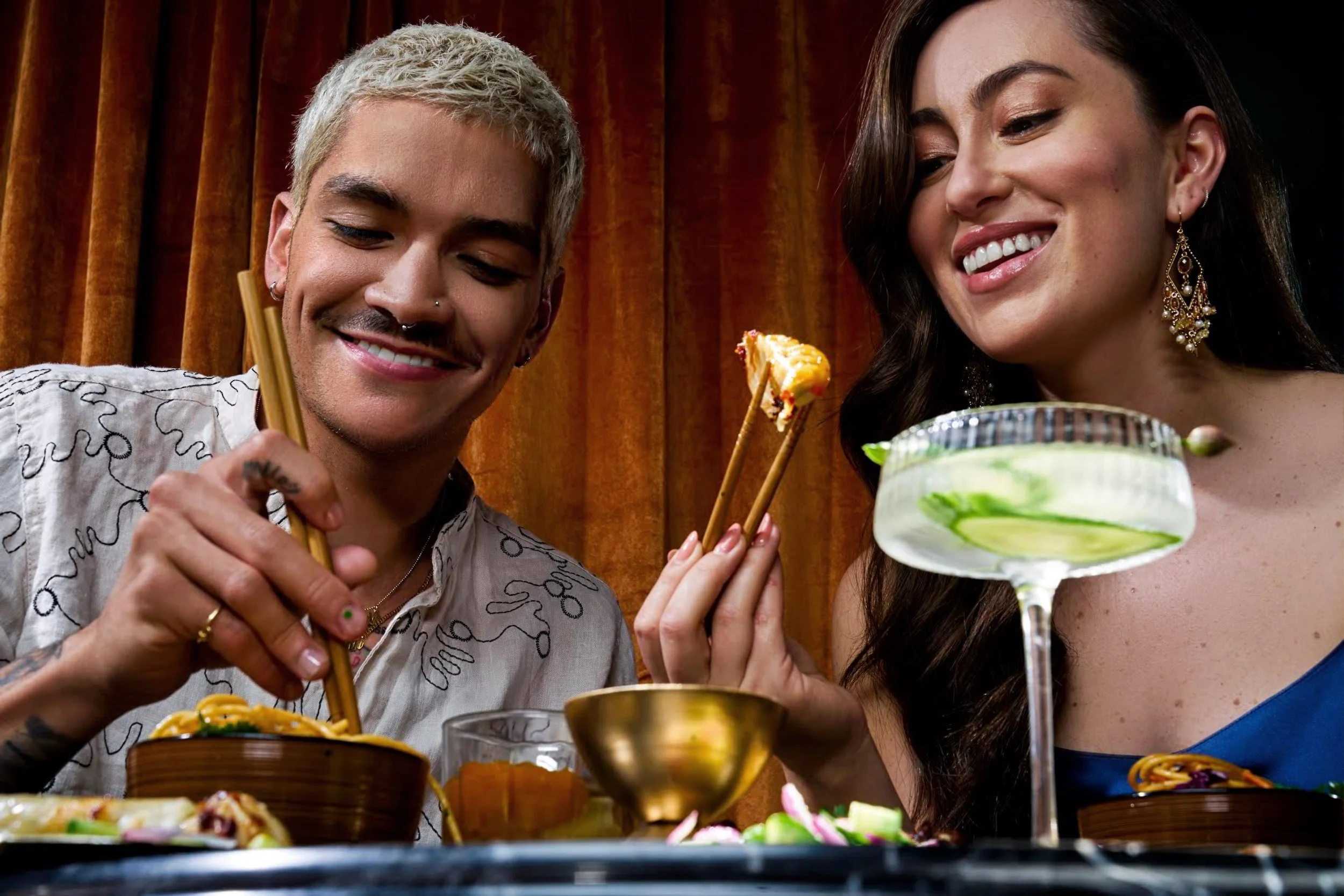
Lifestyle photography builds trust by shifting focus from just the food to the entire experience. It allows potential diners to visualize themselves in the space, feel the atmosphere and anticipate the quality of service.
Look Beyond the Portfolio
Yes, the work needs to look great.
But don’t just ask: Is this pretty?
Ask:
Does this feel like it could live inside my brand?
Does the product feel hero?
Does the lighting feel intentional and consistent?
Could I use these images across web, social, retail, and campaign?
A strong commercial food photographer builds image systems — not just one-off hero shots.
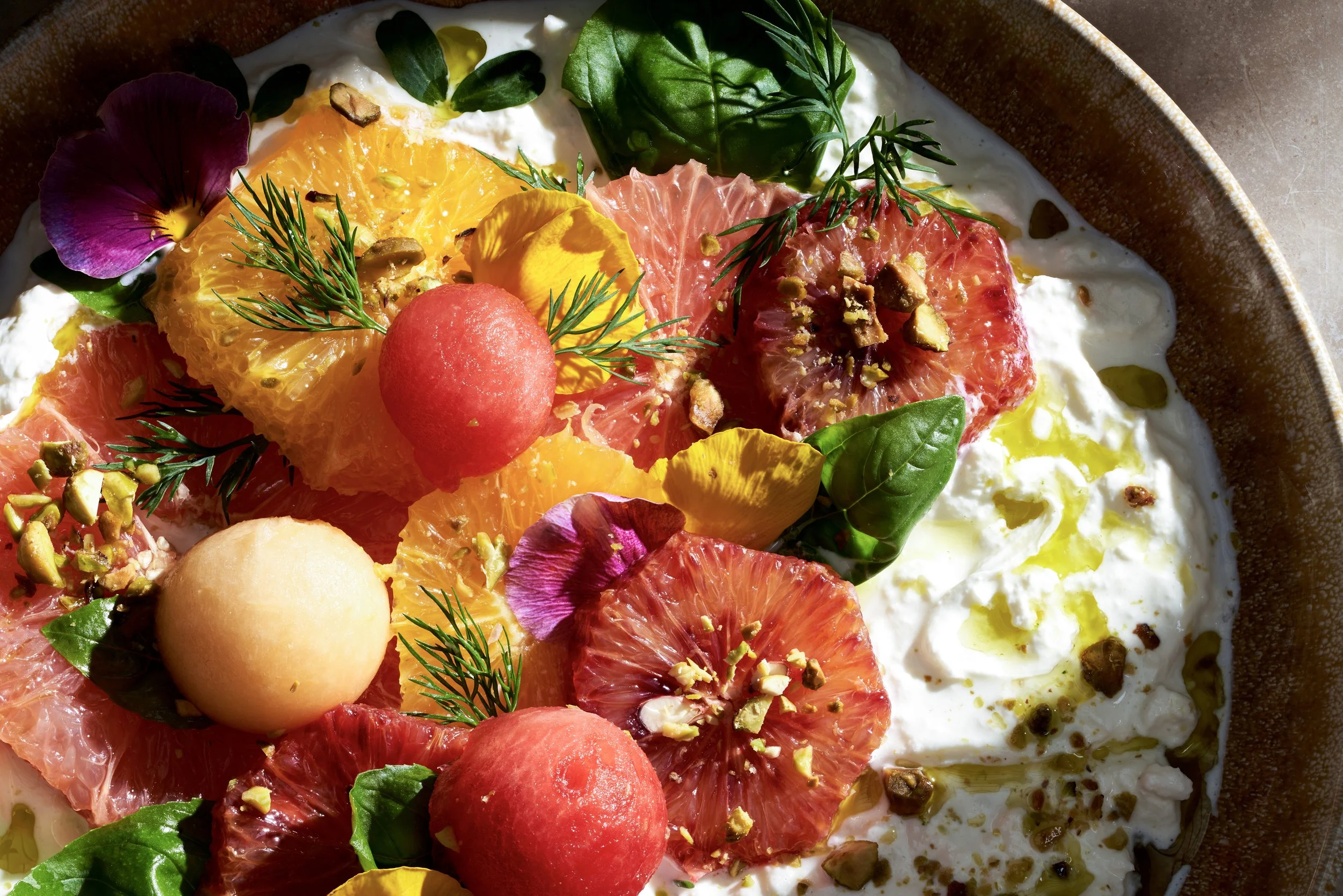
Make Sure They Understand Production
Food & beverage shoots move fast. Melting product, client feedback mid-shot, usage questions.
Tight timelines.
The right food photographer knows how to:
Work efficiently with a food stylist
Communicate clearly with clients
Control lighting for consistency
Solve problems without disrupting the energy on set
Beautiful images are expected.
A smooth production is what protects your budget.
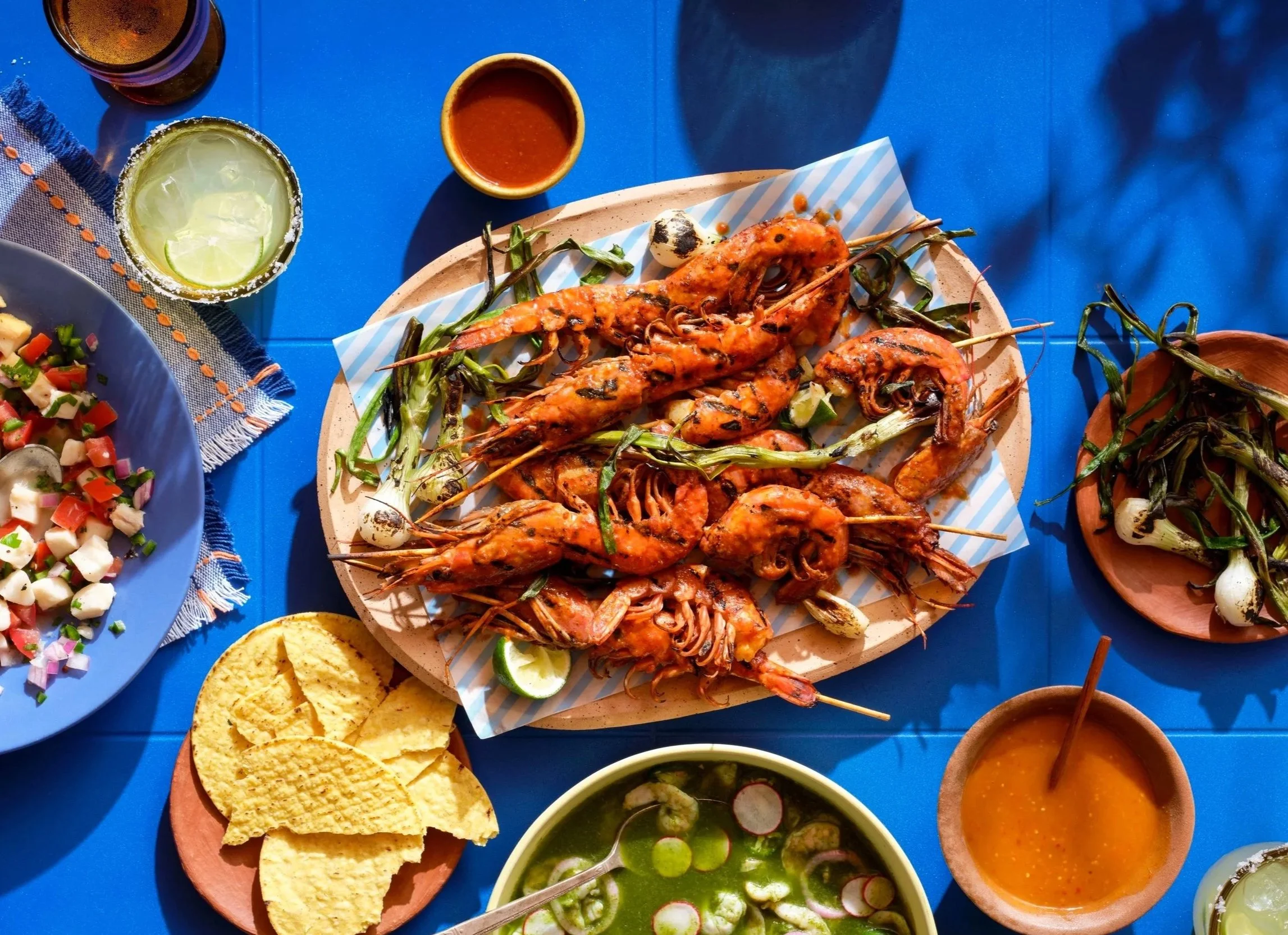
Food should always look fresh and not overly stylized. We want food to feel achievable for the home cook, it should be simple, straightforward with all of the ingredients and textures visible.
4. Pay Attention to Lighting
Lighting is everything in food photography.
Natural light is beautiful — but it isn’t always reliable, especially in Chicago.
A professional food photographer should be able to:
Recreate natural sunlight in studio
Maintain consistency across multiple shoot days
Shape light to enhance texture and color
Protect brand colors accurately
If your campaign needs to scale, lighting control matters.
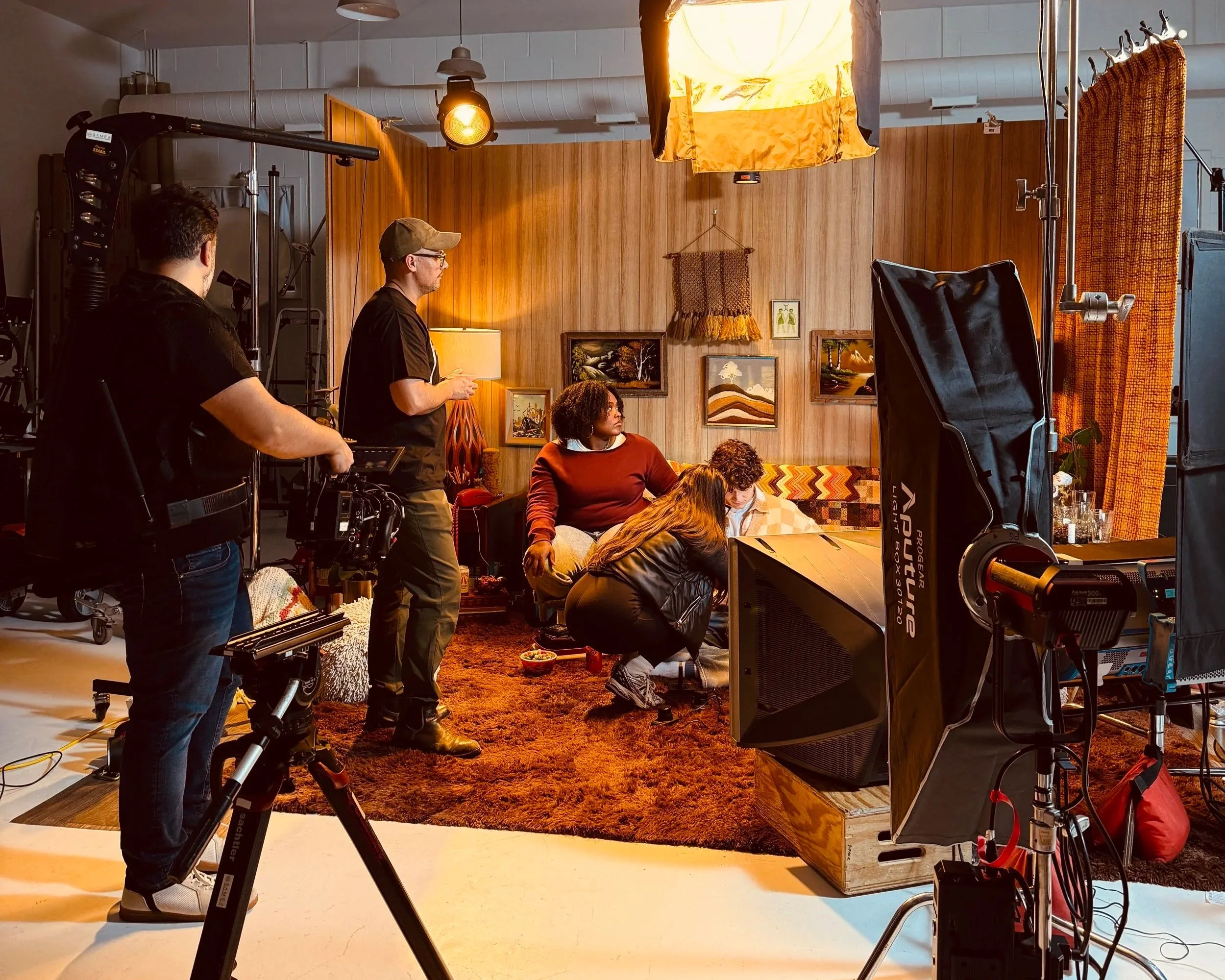
Recent behind the scenes of a video/stills campaign for Olipop.
Final Thoughts
If you’re wondering how to choose the right food photographer, start here:
Find someone whose work aligns with your brand.
Make sure they understand production.
Evaluate their team.
And choose someone who thinks strategically, not just visually.
The right photographer won’t just deliver images.
They’ll help elevate your brand.

About Ryan
Food photography isn’t just captured, it’s felt. In a world where visuals are everywhere, reliability isn’t about style, it’s about intention, consistency and understanding.
I grew up in kitchens, watching a chef work and learning how passion directly translates to the plate.
That foundation shapes how I approach commercial photography and motion for food and beverage brands.